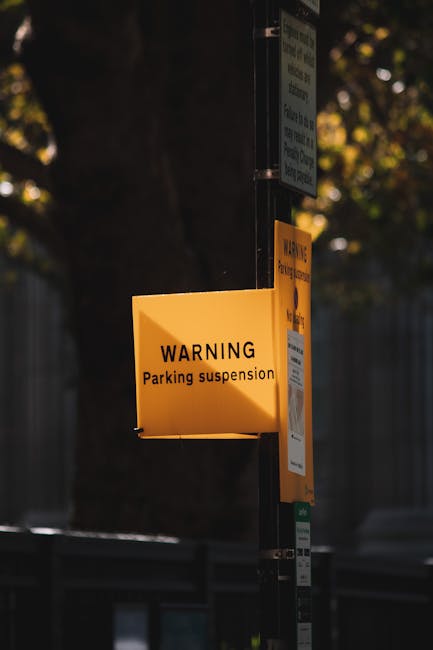
Highbury removals timing rules parking suspensions explained

If you are planning a move in Highbury, the timing can matter just as much as the boxes, the van size, or the stair count. Highbury removals timing rules parking suspensions explained is really about one thing: making sure your move happens when access is available, parking is workable, and nobody is left standing on the kerb with a sofa and a stressed face. That sounds dramatic, but truth be told, it happens more often than people expect.
In a busy part of North London, a well-planned removal can save you time, reduce the risk of parking fines, and help the day feel calmer. This guide breaks down how timing works, why parking suspensions matter, what to watch for in Highbury streets, and how to plan a move that does not turn into a last-minute scramble. You will also find practical steps, real-world tips, and a checklist you can actually use.
- Why timing and parking suspensions matter
- How the process works in practice
- Benefits of planning ahead
- Who needs this information most
- Step-by-step moving guidance
- Expert tips for smoother removals
- Common mistakes to avoid
- Tools, resources and recommendations
- Law, compliance and best practice
- Options and comparison table
- Real-world example
- Practical checklist
- Conclusion
- Frequently asked questions
Why Highbury removals timing rules parking suspensions explained Matters
Removal timing is not just about convenience. In Highbury, it can determine whether the van can park close enough to the property, whether the loading bay is free, and whether your movers can work efficiently or end up carrying wardrobes half a street away. On a narrow residential road, that difference is huge.
Parking suspensions are especially important in London because they temporarily change how a bay or stretch of road can be used. A suspension may be needed for roadworks, skip placement, construction, event access, or a house move. If a bay is suspended, normal parking rules can change, and if you assume you can simply park there anyway, that can quickly lead to problems. Nobody wants their move day interrupted by a ticket or a van circling the block while the kettle goes cold.
Highbury has its own rhythm. You will notice busier morning traffic on main routes, school-run pressure on local streets, and tighter parking around rows of flats, terraces, and conversions. That means timing your move well is not a minor detail. It is part of the job.
Practical takeaway: the best move is not always the earliest one. It is the one that matches street access, parking rules, lift availability, neighbours, and the realistic time it takes to load or unload.
How Highbury removals timing rules parking suspensions explained Works
At a simple level, the process has three moving parts: when your removal happens, where the vehicle can stop, and whether any parking restrictions or suspensions apply on the day. Those three things need to line up.
Here is how it usually works in practice:
- Check the move date and time window. Consider building access, elevator booking times, estate rules, neighbour noise expectations, and any rush-hour traffic that could slow the van.
- Review the street parking situation. In Highbury, this may mean looking at single yellow lines, resident bays, pay-and-display spaces, loading bays, or unrestricted windows if they exist.
- Look for any parking suspension notices. A suspension can temporarily remove parking rights in a specific bay or stretch of road. These notices are usually time-bound and location-specific.
- Plan the vehicle position early. If a van needs to park close to the entrance, the timing of arrival matters. Arriving too late can mean the best spot is gone.
- Build in buffer time. Even a well-planned move can slow down because of stairs, weather, traffic, or a missing key. A buffer is not pessimism. It is experience.
To be fair, the phrase "parking suspension" can sound more complicated than it is. In ordinary language, it means a section of parking is temporarily taken out of normal use. For removals, that can be very helpful if the suspension has been arranged properly for your moving day. If it has not, the opposite is true.
For broader moving support, many people also compare removal services with smaller vehicle options like a man with a van or a full removals team, especially when parking space is tight.
Key Benefits and Practical Advantages
Getting the timing and parking side right has real payoffs. Some are obvious, others show up only after the move, when you realise how much smoother everything felt.
- Less wasted time: Movers can load and unload closer to the property, which cuts down on carrying distance and delays.
- Lower risk of parking issues: You reduce the chance of fines, complaints, or having to move the van halfway through loading.
- Better crew efficiency: When the route from van to front door is short and clear, the whole move usually flows better.
- Less stress for you: You are not juggling keys, traffic, and parking at the same time. Well, not as much anyway.
- Fewer surprises: A planned arrival window makes it easier to coordinate lift bookings, keys, child care, pet care, and utility access.
- More predictable costs: Time lost on access problems can sometimes increase labour time, so good planning helps keep things under control.
There is also a quieter benefit: your neighbours are less likely to feel disrupted if the move is organised, swift, and respectful of local parking and access arrangements. That matters in close-knit streets and mansion blocks where people do notice what is going on outside their windows.
If you are comparing move options, reading about Highbury moving cost realities can help you understand how access and timing affect the overall picture, not just the headline price.
Who This Is For and When It Makes Sense
This guidance is useful for almost anyone moving in or out of Highbury, but it is especially relevant if your property is on a street with limited parking or controlled bays. Flats above shops, conversions with narrow entrances, terraces with no driveway, and homes near busier junctions all tend to need more careful planning.
You should pay close attention to timing and parking suspension details if you are:
- moving from a flat with shared access
- using a removals van that needs to park close to the front door
- moving on a weekday morning or during school-run hours
- arranging an office move or commercial relocation
- coordinating storage, packing, or a same-day move
- dealing with bulky furniture, a piano, or awkward stair access
It also makes sense if you are a landlord, letting agent, or property manager arranging access for someone else. Sometimes the moving team is ready, but the paperwork or bay arrangement is not. That is where things get messy.
For students, short-notice moves, or smaller relocations, there are still timing considerations. A smaller job can seem simpler, but in a crowded area, even a modest van needs space to stop safely. That is why services like student removals and same-day removals still benefit from a proper street plan.
Step-by-Step Guidance
If you want the shortest route to a smooth move, this is the part to follow closely. It is not glamorous, but it works.
- Confirm your moving date as early as possible. The earlier you lock it in, the easier it is to coordinate access, parking, and lift bookings.
- Check the property type and street layout. A maisonette, top-floor flat, or busy high street location will usually need more planning than a house with a clear frontage.
- Assess parking restrictions outside the property. Look at what kind of bay or road marking applies. If anything is unclear, do not assume it will be fine.
- Find out whether a suspension is needed. If a suspension is required for the van to park legally or safely, arrange that in good time and confirm the exact dates and times.
- Book your move around the least congested period possible. Mid-morning or early afternoon can sometimes be easier than the first school-run-heavy slot, though this depends on the street and the property.
- Prepare your loading plan. Box the essentials separately, label rooms clearly, and make sure the van team knows what needs to come off first.
- Leave a buffer. Even 20 to 30 minutes of breathing space can help if a lift is slow, a neighbour is parking badly, or the rain decides to make an appearance.
- Keep contact details handy. If the van is delayed or access changes, quick communication prevents a lot of faff.
A small but useful detail: if you live in a block, tell the concierge, building manager, or neighbours the rough time window. It does not have to be dramatic. Just enough to avoid friction in the hallway when boxes start arriving.
For packing support, some movers also pair timing with packing and unpacking services or buy materials through packing and boxes so that the day runs more efficiently.
Expert Tips for Better Results
Most move-day problems are not dramatic disasters. They are small avoidable things that snowball. A van arrives five minutes late. A parking bay is blocked. Someone cannot find the keys. Suddenly the whole morning feels off. Here is how experienced movers reduce that risk.
- Schedule with traffic in mind, not just the calendar. In Highbury, a time that looks fine on paper may still be awkward in practice if it clashes with local traffic flow.
- Use the nearest legal loading point where possible. A shorter carry saves time and back strain. Simple, really.
- Take photos of any bay markings or suspension notices. This can help if there is confusion on the day.
- Ask how long loading and unloading usually takes. A realistic estimate is better than wishful thinking.
- Keep bulky items separate from fragile ones. If the van is parked further away than expected, you do not want fragile boxes buried behind the wardrobe.
- Have a backup plan for parking. If the ideal spot is taken, know the next best legal option before the van arrives.
One thing we often notice is that people overfocus on the removal itself and underfocus on the street outside. Yet the street is where the day either flows or stutters. That sounds obvious, maybe, but you would be surprised.
Expert summary: the most efficient Highbury move is usually the one that treats parking as part of the moving plan, not an afterthought.
If you are moving a particularly awkward item, such as a piano or heavy cabinet, the margin for error gets smaller. In those cases, services like piano removals and furniture removals are often worth considering because they are planned around access and handling, not just transport.
Common Mistakes to Avoid
A lot of moving-day stress comes from the same handful of mistakes. Avoid these and you are already ahead of the game.
- Leaving parking arrangements until the last minute. This is the big one. If there is a suspension or permit issue, late action can create a domino effect.
- Assuming a space will be available. In Highbury, even a space that is usually free may not be free on the day you need it.
- Ignoring building access rules. Some flats have booked lifts, restricted move hours, or concierge procedures that matter as much as street parking.
- Choosing a move time purely because it suits your personal schedule. If the street is packed, your preferred slot may not be the best slot.
- Not checking the exact bay type. Resident, visitor, loading, and suspended bays can all have different rules.
- Underestimating how long loading takes. A few extra trips up the stairs can stretch the day more than expected.
- Forgetting weather and visibility. A wet pavement and a dark morning can make even a short carry feel longer and riskier.
Let's face it, nobody enjoys paperwork when they are trying to move house. But a ten-minute check now is usually better than a stressed phone call later. Much better.
Tools, Resources and Recommendations
You do not need fancy tech to organise a move, but a few simple tools help a lot. Keep it practical. Keep it simple.
- Street view or site visit notes: useful for spotting narrow roads, loading restrictions, or awkward corners.
- Move-day checklist: basic, but very effective for avoiding forgotten tasks.
- Box labels and room tags: speed up unloading and cut down on confusion.
- Floor plan or room list: helpful when directing movers quickly.
- Contact list: include the removal company, building contact, and anyone handling keys.
- Flexible storage option: handy if completion times or access windows shift unexpectedly.
Where the move is more complex, a service like storage can give you breathing room between leaving one property and entering the next. That can be especially useful if your parking window is tight or your completion time is uncertain.
If you are trying to decide between a smaller vehicle and a more full-service option, comparing man and van support with a larger removal truck hire setup can make sense. The best choice depends on access, volume, and how much parking space the street can realistically give you.
For quote and planning questions, the site's pricing and quotes page is a sensible starting point if you want to understand how move size and access can affect the overall estimate.
Law, Compliance, Standards, or Best Practice
Parking suspensions and moving-day access in London are usually managed through local authority rules, building policies, and general road safety expectations. The exact process can vary depending on the street, the type of bay, and whether any temporary restrictions are in place. Because of that, it is best to treat all parking arrangements as something to confirm rather than assume.
A few best-practice points are worth keeping in mind:
- Do not block access routes. This includes pavements, dropped kerbs, entrances, and emergency access points.
- Respect suspension signage and time windows. A bay that is suspended for one purpose is not automatically free for another.
- Follow building rules. Some blocks have specific move-in or move-out hours, and those are there for a reason.
- Use safe loading practices. Heavy items should be moved carefully, with proper lifting technique and sensible spacing.
- Check insurance and safety expectations. If you are using a removal company, it is sensible to understand how goods are handled and what cover is in place.
For peace of mind, many customers review insurance and safety information before the move. That is a wise habit, especially if the day involves tight parking, stairs, or valuable furniture.
If you want to know more about the company side of things, the about us page can help you understand the approach behind the service, and the terms and conditions page is worth reading if you want a clearer picture of expectations. Not thrilling reading, granted, but useful.
Options, Methods, or Comparison Table
Different move styles suit different streets and different levels of parking pressure. In Highbury, the right method often comes down to access more than anything else.
| Option | Best for | Parking impact | Typical benefit | Watch-outs |
|---|---|---|---|---|
| Small van move | Light loads, flats, short moves | Often easier to fit into tight streets | Flexible and quicker to position | May need more trips if the load is large |
| Full removals team | Family homes, larger furniture, multi-room moves | Needs more careful space planning | Faster loading and less manual effort for you | Can be slowed by poor access or no nearby parking |
| Same-day service | Urgent or last-minute moves | Timing is critical | Fast response when plans change suddenly | Less room for error with parking arrangements |
| Storage-first move | Gap between properties, delayed completion | Can reduce pressure on exact move-in timing | More flexibility if access is uncertain | Requires extra handling and planning |
If your route includes a difficult street, lots of stairs, or a time-sensitive handover, choosing the method that reduces parking pressure is often the smarter move. It is not always about the cheapest-looking option on paper.
Case Study or Real-World Example
Here is a realistic example from the kind of move that comes up again and again in Highbury.
A couple living in a top-floor flat near a busy local road had a moving date confirmed for midweek. They assumed the van could park in the nearest bay, but the road also had limited daytime restrictions and regular demand from residents. The removal team checked the street early, noticed that access would be tight, and recommended an earlier arrival window. They also advised the clients to have everything boxed the day before, rather than finishing in the morning.
On the day, the van arrived before traffic picked up properly. The team used the closest legal stopping point available, carried items in a steady rhythm, and kept the route clear. There was still a moment of uncertainty when a neighbour's car was left too close to the curb, but because there was buffer time, the move did not unravel. The whole process was calmer than the couple expected. Not perfect, of course. But far better than trying to force a rush-hour unload.
The main lesson? Timing was not just a convenience. It was the thing that made the parking situation workable.
That is also why guides like moving permits for Highbury removals and real cost of removals in Highbury are so useful to read before booking. They help you think ahead, which is half the battle really.
Practical Checklist
Use this checklist a few days before the move, then again the evening before. Old-school? Yes. Effective? Also yes.
- Confirm the moving date, time window, and access instructions
- Check whether a parking suspension or permit is needed
- Verify the exact street, bay type, and any visible restrictions
- Book lift access or building entry times if required
- Tell the removal team about stairs, narrow hallways, or awkward entry points
- Pack essentials separately for quick access on arrival
- Label boxes by room and priority
- Keep phones charged and numbers saved
- Plan a backup parking option nearby
- Check for weather issues and protect floors if needed
- Keep keys, ID, and any access codes in one safe place
- Walk the route from van to door before the heavy lifting starts
Quick reminder: if your move is into a flat or shared building, the hallway and entrance area can become the bottleneck, not the van. That little detail catches people out more than you'd think.
Conclusion
Highbury removals timing rules parking suspensions explained, in plain terms, are about getting the street, the schedule, and the moving team to cooperate. When that happens, the whole day feels lighter. You waste less energy on parking drama, avoid unnecessary delays, and give yourself a much better chance of a clean, calm move.
If you remember one thing, make it this: do not leave parking to chance. In a busy London area like Highbury, the right timing can be the difference between a smooth handover and a day of avoidable stress. Plan early, check access carefully, and give yourself a bit of breathing room. Honestly, that small bit of forward thinking pays off more than most people expect.
If you are comparing options or want help working out the right move setup for your street, start with the details now rather than later. Future-you will be grateful, and probably a lot less sweaty.
Get a free quote today and see how much you can save.
And if the day feels a bit much, remember: a good move is rarely about perfect conditions. It is about sensible planning, steady hands, and keeping things moving one box at a time.
Frequently Asked Questions
What does parking suspension mean for a removal in Highbury?
A parking suspension temporarily changes how a bay or section of road can be used. For removals, it can create a legal place for the van to stop, but only if the suspension applies to the right location and time window.
How far in advance should I plan a removals parking arrangement?
The earlier the better. If your move is in a controlled parking area or busy street, planning a few days ahead is sensible. Last-minute arrangements can be difficult, especially in Highbury where space is often limited.
Can I move on a weekday morning in Highbury?
Yes, but weekday mornings can be busier because of traffic, school runs, and commuter movement. Sometimes it still works well, but it depends on the street and the property access. A mid-morning or early afternoon slot may be easier in some cases.
Do I always need a parking suspension for removals?
Not always. Some properties have off-street space, clear loading areas, or a legal stopping point nearby. But if access is limited or parking is controlled, a suspension may be the safest and most practical option.
What happens if the van cannot park outside the property?
The team may need to park further away and carry items a longer distance. That can add time and effort, and it may affect the overall cost or schedule. It is better to plan for a nearby legal spot in advance where possible.
Are parking suspensions the same as permits?
No. A permit usually grants permission to park under certain conditions, while a suspension temporarily changes the normal rules for a specific bay or area. They are related, but not the same thing.
How do I know whether my street in Highbury has parking restrictions?
Check the signs, road markings, and any building instructions carefully. If anything is unclear, ask the relevant party before the move. Do not assume a space is available just because it looks free.
Will bad timing make my removal more expensive?
It can. If the team has to wait, carry items further, or work around access problems, the move may take longer than expected. Good timing helps reduce the chance of unnecessary extra labour time.
What if my completion time changes at the last minute?
That is where flexibility helps. If your schedule shifts, contact the removal company as soon as possible and update any building or parking arrangements. Having a buffer in the day makes these changes easier to absorb.
Is a small van better than a larger removal truck in Highbury?
Not always, but sometimes yes. A smaller van may be easier to park on a narrow street, while a larger vehicle can reduce the number of trips. The right choice depends on access, load size, and how much space is realistically available.
What should I do if I live in a flat with shared access?
Check lift booking rules, building move-out hours, entry instructions, and any restrictions on parking outside the block. Shared buildings often need more coordination than houses, so it is worth confirming those details early.
Where can I find more help about moving in Highbury?
Useful starting points include service pages for house removals, flat removals, and office removals, depending on the type of move you are planning. The best next step is always to match the service to the access situation, then work backwards from there.